









QR stamp of a sworn interpreter
The sworn interpreter's QR stamp is an exclusive digital solution developed by Prevedi24. This QR code appears on every document we issue and enables rapid digital confirmation of the validity of certification by a sworn interpreter. Thanks to this advanced protection and verification system, Prevedi24 guarantees that certifications by our sworn interpreters are recognised and accepted worldwide. Implementing the QR code does not alter traditional certification procedures or increase the final price of the translation.
4,9|348 reviews
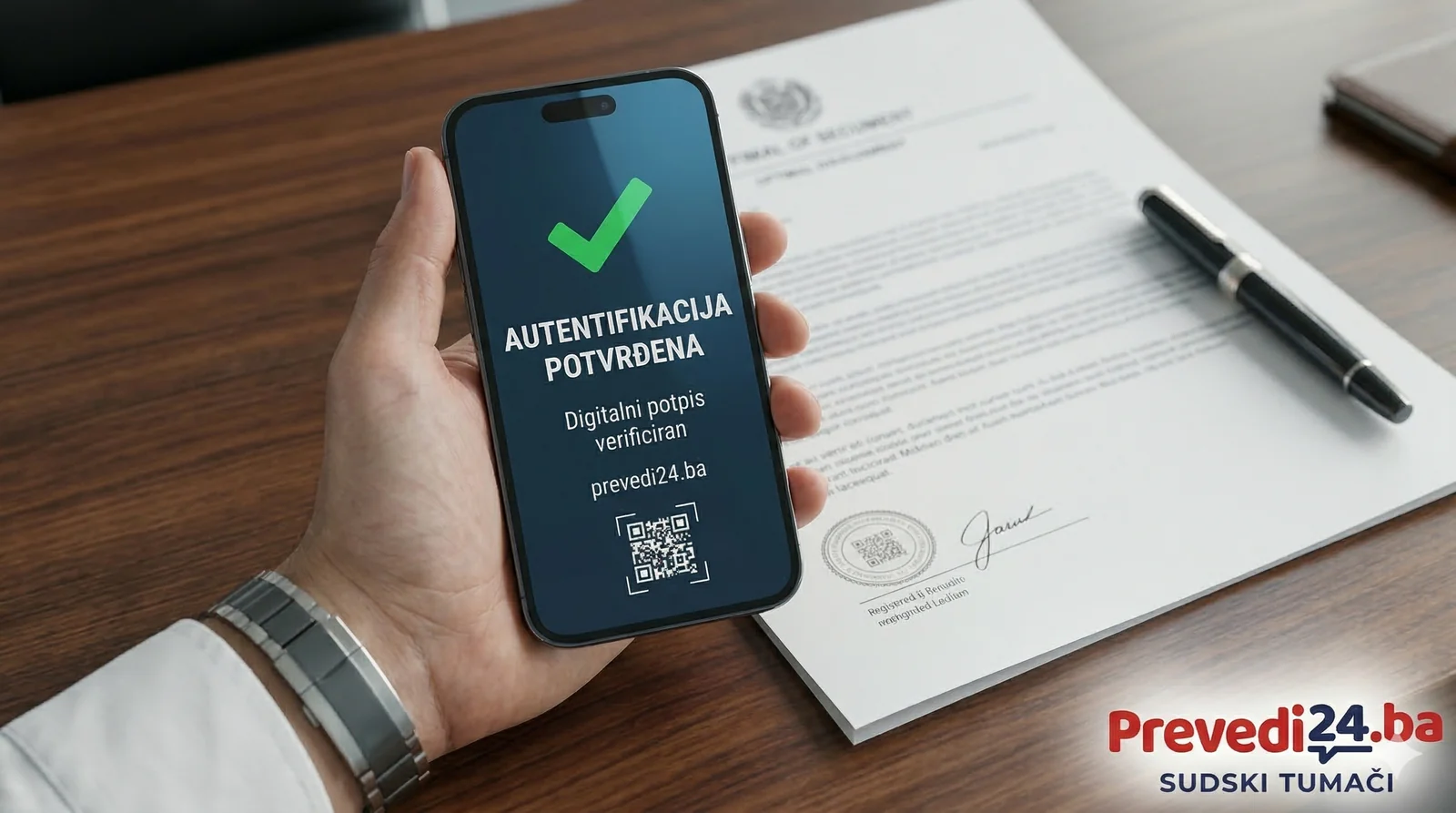
How does the QR stamp work?
The QR seal works by adding a QR code to every document certified by a Prevedi24 sworn interpreter. The code links to digital confirmation of the certification and content. Scanning the code displays detailed information, including the name of the person who certified the document, the certification date, the reference number and expiry date of the sworn interpreter's appointment decision, and the content of the original translation.
Prevedi24 developed the solution over a two-year period. It does not alter the existing written certification procedures prescribed by the regulations governing the work of sworn interpreters in the Federation of Bosnia and Herzegovina, Republika Srpska and Brčko District.
How does an institution verify a translation?
An institution can verify the translation by scanning the QR code on the document using a mobile phone or desktop computer, with no special equipment, registration or additional cost.
Once the code has been scanned, the certification details (the sworn interpreter's name, the certification date, and the reference number and expiry date of the appointment decision) and the content of the original translation are displayed immediately. The official can then compare the document in hand with the digitally verified original. This allows any institution in Bosnia and Herzegovina or abroad to determine within seconds whether the certification is authentic and whether the content has been altered.
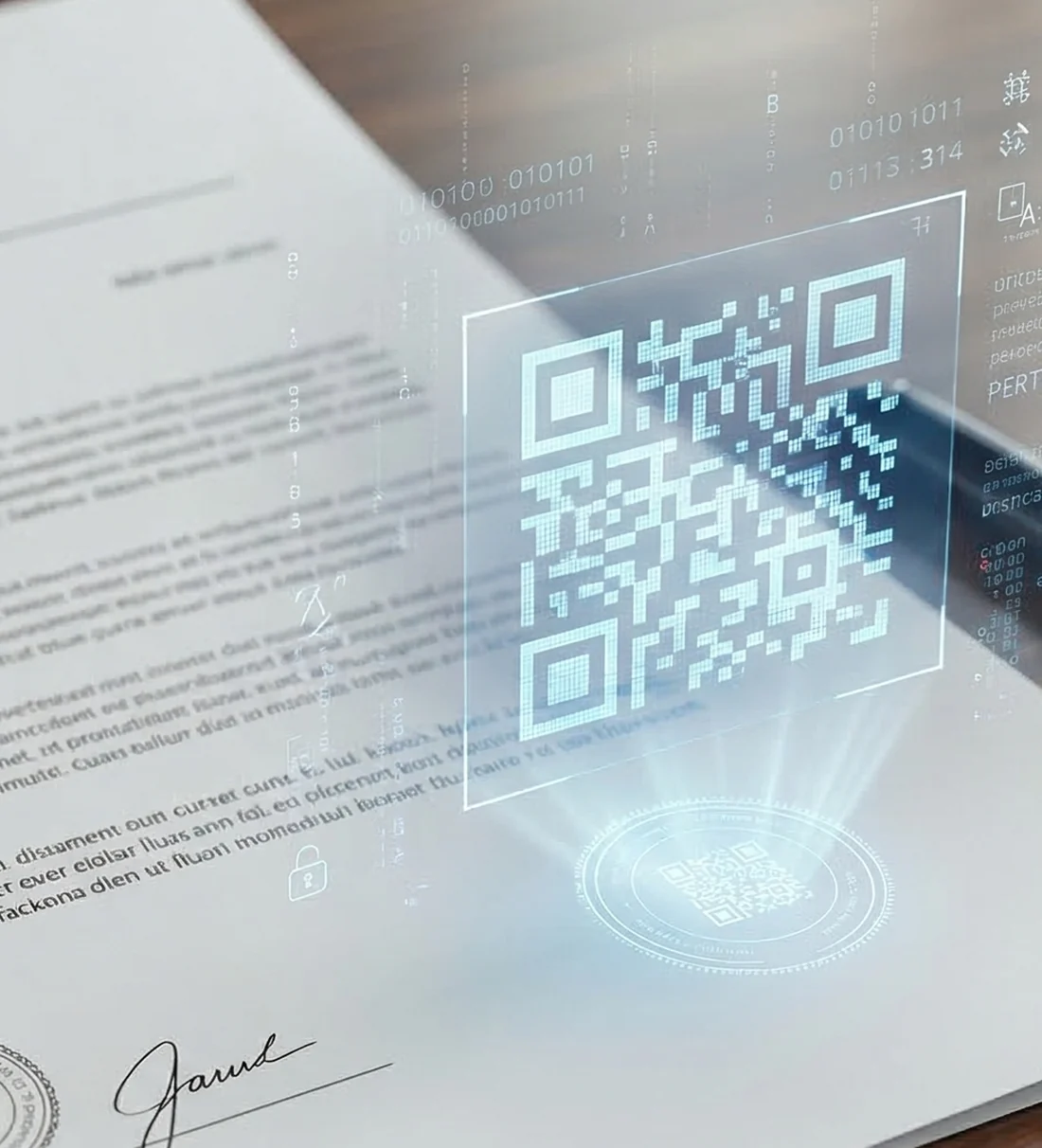
Why does a QR code accompanying a sworn interpreter's official stamp provide an additional guarantee?
A QR code accompanying a sworn interpreter's official stamp provides an additional guarantee because it confirms not only the formal certification but also the entire content of the translated document.
A conventional official stamp and signature can be forged, while subsequent alterations to the text are often invisible to the naked eye. A QR code enables instant digital verification of the original translation. Even an Apostille guarantees only the authenticity of the official stamp and the signature of the public official, not the content of the translation itself. This is precisely the gap that the QR code successfully closes.
For documents used abroad, an Apostille remains a legal requirement (except for Croatia, Serbia, Montenegro and Türkiye, which are exempt under bilateral agreements with Bosnia and Herzegovina). However, adding a QR code provides an additional layer of protection and assurance, substantially reducing the risk of misuse and providing complete security in international legal transactions.
Need an urgent translation?
Send your documents now and receive a free quote within 30 minutes.